Thermal
How to Detect Water Leaks and Moisture Problems Before They Become Expensive
Water leaks and moisture problems can develop gradually, often without obvious warning signs. A small leak behind a bathroom wall, a damaged pipe connection or moisture entering around a window may remain unnoticed until paint begins peeling, ceilings become stained or unpleasant odours appear.
In this guide
- Key Takeaways
- What Causes Water Leaks and Moisture Problems in a Property?
- 1. Look for Water Stains on Walls and Ceilings
- 2. Check for Peeling Paint, Swollen Wood and Damaged Finishes
- 3. Inspect Bathrooms, Kitchens and Plumbing Connections
- 4. Pay Attention to Musty Smells and Persistent Dampness
- 5. Monitor Your Air Conditioning System for Signs of Leakage
- 6. Check Windows, Balconies and External Walls
- 7. Look for Unexplained Changes in Water Consumption
- 8. How Can Thermographic Inspection Help Detect Hidden Moisture?
- Water Leak vs. Condensation: Warning Signs and What to Do
- 9. What Should You Do When You Discover a Possible Leak?
- Frequently Asked Questions
- Identify Potential Moisture Problems Before They Escalate
Water leaks and moisture problems can develop gradually, often without obvious warning signs. A small leak behind a bathroom wall, a damaged pipe connection or moisture entering around a window may remain unnoticed until paint begins peeling, ceilings become stained or unpleasant odours appear.
For property owners, identifying these issues early can help prevent avoidable repair costs and protect the condition of the building. However, not every moisture problem produces visible water stains or dripping water. Some issues develop behind walls, beneath flooring or around concealed plumbing installations.
Knowing what to look for is the first step towards preventing further damage. By checking vulnerable areas, monitoring unusual changes and arranging a professional inspection when necessary, property owners can investigate potential problems before they become more extensive.
So, how can you recognise early warning signs, identify possible sources of moisture and determine when specialist inspection is needed?
Let's look at the key signs and practical steps.
Key Takeaways
- Water leaks can develop behind walls, beneath floors, around plumbing fixtures and near windows without immediately visible signs.
- Peeling paint, damp patches, musty smells, discoloured ceilings and unexplained water bills can indicate potential moisture problems.
- Bathrooms, kitchens, AC drainage systems, windows and ceilings deserve regular attention.
- Thermal imaging can help identify unusual temperature patterns associated with possible hidden moisture, but it cannot confirm a leak on its own.
- Addressing the source of moisture promptly is essential to reduce the risk of material damage and mould growth.
- Professional thermographic inspection can support the investigation of suspected hidden moisture and help guide further checks.
What Causes Water Leaks and Moisture Problems in a Property?
Moisture can enter a property through several routes. Some problems originate inside the building, while others develop because of external water penetration, condensation or installation defects.
Common causes include:
- Leaking water supply pipes and plumbing connections
- Damaged seals around showers, bathtubs and sinks
- Blocked or leaking AC condensate drain lines
- Failed waterproofing in wet areas
- Water entering through windows, balconies or external walls
- Roof or ceiling leaks
- Poor ventilation and excessive indoor humidity
- Condensation on cold surfaces and pipes
Understanding the possible cause matters because visible moisture is only a symptom. Cleaning a stain or repainting a wall will not resolve the underlying issue if water continues to enter the building.
The US Environmental Protection Agency recommends addressing water problems promptly and drying wet materials thoroughly to help prevent mould growth. Read the EPA's moisture guidance.
1. Look for Water Stains on Walls and Ceilings
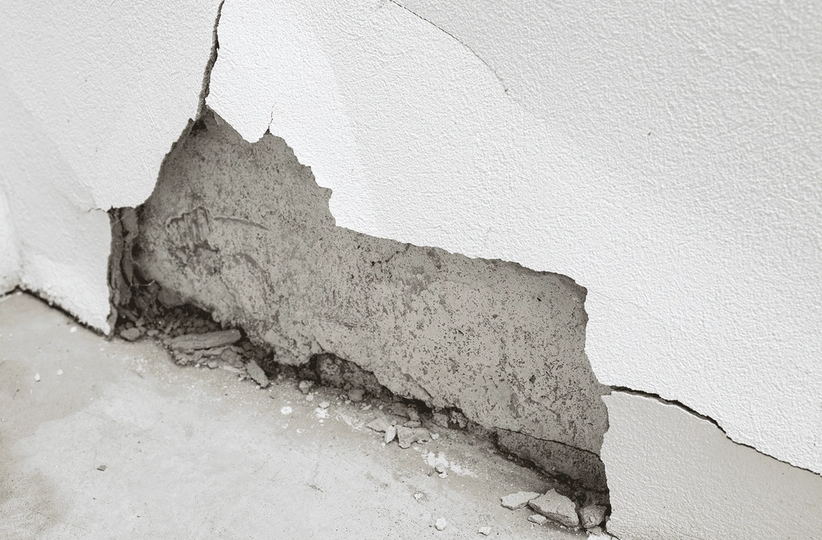
Water stains are among the most recognisable signs of a potential leak. They may appear as yellowish, brown or irregular patches on painted walls and ceilings.
Pay particular attention to:
- Ceiling areas beneath bathrooms or water tanks
- Walls adjoining kitchens and bathrooms
- Corners near windows and external walls
- Areas below AC units or drainage connections
- Surfaces around plumbing access panels
A stain that grows, darkens or returns after repainting may indicate an unresolved moisture source. Bubbling paint, blistered finishes or plaster that begins to deteriorate can also suggest water exposure.
However, a stain does not automatically identify where the leak originates. Water can travel along pipes, structural elements or concealed surfaces before becoming visible elsewhere.
What should you do?
Photograph the affected area, record when you first noticed it and monitor whether its appearance changes. If the patch expands or returns, arrange an appropriate inspection rather than covering it with fresh paint.
2. Check for Peeling Paint, Swollen Wood and Damaged Finishes
Moisture can affect building materials before a visible pool of water develops.
Look for paint that is lifting away from the wall, wallpaper separating at its edges, swollen skirting boards, warped cabinetry or flooring that begins to buckle.
These changes may occur around bathrooms, kitchens, windows, balconies and other areas exposed to water.
Wood-based materials can swell when they absorb moisture. Adhesives and floor finishes may also deteriorate when exposed to persistent dampness.
Nevertheless, damaged finishes do not always indicate an active leak. Ageing materials, poor installation and temperature changes can produce similar symptoms.
The important step is to investigate the pattern and location of the damage. If deterioration appears alongside water staining, musty odours or damp surfaces, the possibility of a moisture problem deserves closer attention.
Avoid sealing or repainting affected surfaces until the source has been investigated and the materials are sufficiently dry.
3. Inspect Bathrooms, Kitchens and Plumbing Connections
Bathrooms and kitchens contain multiple water supply lines, drainage connections, fixtures and sealed joints. This makes them important areas for routine property checks.
In bathrooms, examine the visible areas around:
- Shower enclosures and bathtub edges
- Washbasins and taps
- Toilets and accessible pipe connections
- Tile grout and sealant joints
- Floor drains and nearby flooring
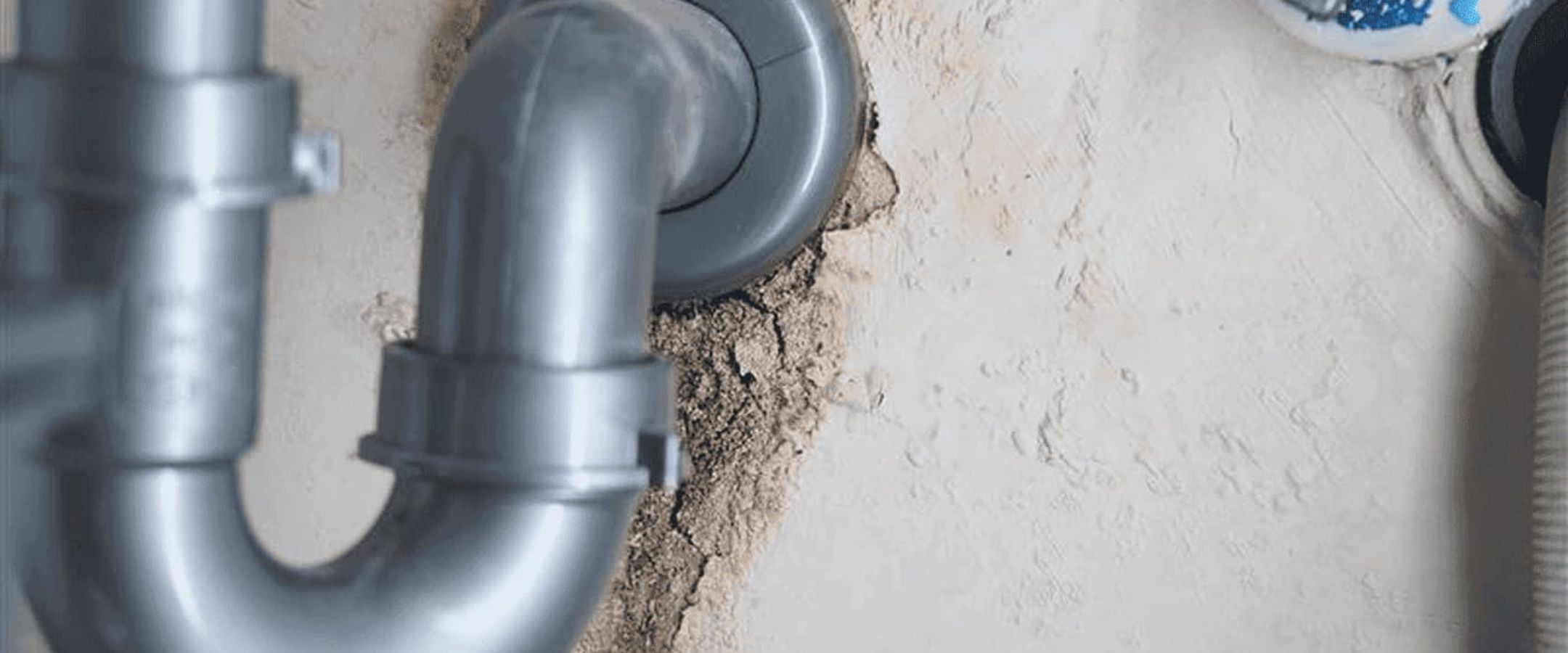
In kitchens, check beneath sinks, around dishwasher connections, behind accessible appliances and near water supply valves.
Look for water droplets, corrosion, loose connections, damaged sealant or persistent dampness. You can also observe whether water drains normally and whether any unusual smells develop around fixtures.
A simple visual check cannot establish the condition of concealed pipes or waterproofing layers. If you suspect a hidden leak, a qualified plumber or property inspection specialist may need to investigate further.
4. Pay Attention to Musty Smells and Persistent Dampness
A persistent musty smell can be an early warning sign of damp materials or concealed moisture, particularly when no obvious leak is visible.
You may notice the smell inside wardrobes, beneath sinks, behind furniture placed against walls or in rooms with limited ventilation.
Other warning signs include condensation on windows, recurring damp patches and visible mould-like growth around corners or joints.
Moisture can accumulate when humid air meets a colder surface. Inadequate ventilation can make the problem worse, particularly in bathrooms, kitchens and enclosed spaces.
However, condensation and plumbing leaks require different solutions. Improving ventilation may help control condensation, but it will not repair a leaking pipe or failed waterproofing.
If the smell keeps returning despite cleaning and ventilation improvements, investigate the source rather than relying on air fresheners or surface treatments.
5. Monitor Your Air Conditioning System for Signs of Leakage
Air conditioning systems deserve particular attention in Dubai and other hot climates where they operate frequently.
AC systems produce condensate as they remove moisture from indoor air. If a condensate drain line becomes blocked, a connection fails or a drainage component malfunctions, water may accumulate around the unit or affect nearby building materials.
Check for:
- Water droplets or dampness around the indoor AC unit
- Stains on nearby ceilings or walls
- Moisture around accessible drain connections
- Unusual musty smells near vents
- Repeated dampness in the same area
Some AC-related problems occur in concealed ceiling spaces, where the first visible sign may appear away from the source.
If you notice recurring moisture near an AC installation, arrange an inspection by a qualified HVAC technician. Avoid opening electrical enclosures or dismantling equipment yourself.
6. Check Windows, Balconies and External Walls
Moisture does not always originate from internal plumbing. Water can also enter through damaged window seals, deteriorated exterior joints, balcony interfaces or defects in the building envelope.
After rainfall or when other signs of water ingress appear, check accessible areas around window frames, external doors, balcony thresholds and adjoining walls.
Warning signs may include:
- Damp patches near window corners
- Peeling paint along external walls
- Deteriorated sealant around frames
- Water marks near balcony doors
- Repeated moisture in the same location
Water entering through the building exterior may travel behind finishes before becoming visible indoors. Therefore, the location of an internal stain may not correspond directly to the entry point.
If the issue recurs, a professional assessment can help investigate the affected area and determine whether further checks of seals, drainage or waterproofing are needed.
7. Look for Unexplained Changes in Water Consumption
An unexplained increase in your water bill may indicate a leak, particularly if your household usage has not changed significantly.
Property owners can compare recent bills with previous periods and check accessible taps, toilets and visible plumbing connections for signs of leakage.
Where the plumbing arrangement allows it, you may also monitor the water meter during a period when no water is being used. Unexpected movement may warrant further investigation, although meter readings and building systems vary.
A higher bill does not prove that a leak exists. Changes in occupancy, irrigation, appliance use or other water consumption can also explain the difference.
If the increase remains unexplained, contact your water provider or a qualified plumber as appropriate. Early investigation can help identify problems before they cause more extensive damage.
8. How Can Thermographic Inspection Help Detect Hidden Moisture?
When moisture is suspected but no clear source is visible, a professional thermographic inspection may help identify areas that require further investigation.
Thermographic inspection uses an infrared camera to record surface temperature patterns. Moisture-related conditions can sometimes produce temperature differences because of evaporative cooling, changes in thermal behaviour or differences between wet and dry materials.
An inspector may examine accessible areas such as walls, ceilings, window surrounds and other locations where moisture is suspected.
The process can help to:
- Identify unusual temperature patterns that may indicate a hidden issue
- Highlight areas for closer examination
- Support targeted moisture measurements
- Reduce reliance on visual checks alone
- Document findings for further investigation or maintenance planning
An important limitation: Thermal imaging does not directly measure moisture and cannot independently confirm that a leak exists. Temperature variations can also result from insulation differences, air movement, thermal bridges, sunlight and other factors. Findings should be interpreted by a trained professional and, where necessary, verified using suitable moisture-measurement methods or additional investigation.
If your property has recurring damp patches, unexplained stains or suspected moisture behind finishes, a professional thermographic inspection can help determine where further assessment may be useful.
Water Leak vs. Condensation: Warning Signs and What to Do
| Warning sign | Possible cause | Recommended next step |
|---|---|---|
| Water stains on ceilings or walls | Plumbing leak, roof leak or water ingress | Document the stain and investigate the source |
| Peeling paint or swollen skirting boards | Prolonged moisture exposure or a concealed leak | Check nearby plumbing and arrange an inspection if it persists |
| Condensation on windows or cold surfaces | High indoor humidity or insufficient ventilation | Improve ventilation and monitor humidity |
| Dampness beneath sinks or around bathroom fixtures | Leaking connections, damaged seals or drainage issues | Check accessible connections and contact a plumber if needed |
| Water around an indoor AC unit | Blocked condensate drain or an AC system issue | Arrange an HVAC inspection |
| Musty smells without visible water | Possible concealed moisture or damp materials | Investigate the affected area and consider professional moisture assessment |
| Unusual temperature patterns on walls or ceilings | Possible moisture, insulation differences or air movement | Consider thermographic inspection followed by suitable verification |
9. What Should You Do When You Discover a Possible Leak?
Taking the right steps early can limit the extent of damage and make the cause easier to investigate.
Follow this practical process:
- Document the signs: Photograph stains, damp patches, damaged finishes and any visible water.
- Identify immediate risks: If water is near electrical equipment or fittings, keep away and contact an appropriate professional. Do not touch wet electrical installations.
- Stop the water source if safe: If an accessible valve can be operated safely, shut off the relevant supply. Contact emergency maintenance support for significant or uncontrolled leaks.
- Arrange a suitable inspection: A plumber, HVAC technician or property inspection specialist can investigate according to the suspected cause.
- Dry affected materials: Where safe and appropriate, begin drying wet areas promptly. Materials that remain damp may require professional assessment.
- Verify the repair: Check whether moisture returns after the suspected source has been addressed.
Avoid painting over stains or sealing damp materials before investigating the cause. If water damage is extensive, the water may be contaminated, or mould growth is widespread, seek professional remediation advice.
Frequently Asked Questions
What are the first signs of a hidden water leak?
Common warning signs include unexplained water stains, peeling paint, swollen finishes, persistent musty smells, recurring damp patches and unexpected increases in water consumption. Some leaks remain concealed until damage becomes visible, so recurring symptoms should be investigated.
Can thermal imaging detect water leaks behind walls?
Thermal imaging can identify temperature patterns associated with possible moisture behind some wall or ceiling finishes. However, it does not directly detect water or confirm a leak. A professional may need to verify the findings using moisture meters, plumbing tests or other suitable methods.
How can I tell the difference between condensation and a water leak?
Condensation often appears on cold surfaces, windows or areas with limited ventilation. A leak may produce localised or recurring dampness associated with plumbing, drainage or water ingress. The signs can overlap, so persistent problems may require professional assessment to determine the cause.
Can a small water leak cause expensive property damage?
Yes. A small leak that continues over time can damage paint, plaster, flooring, cabinetry and other building materials. Persistent moisture can also encourage mould growth. The extent of damage depends on the water source, duration, materials affected and how quickly the problem is addressed.
When should I arrange a professional thermographic inspection?
Consider arranging an inspection when you notice recurring damp patches, unexplained temperature differences, persistent musty smells or suspected moisture behind accessible finishes. Thermography can help identify areas for further investigation, but the appropriate inspection method depends on the suspected source and property conditions.
Identify Potential Moisture Problems Before They Escalate
Water leaks and moisture problems are easier to manage when they are investigated early. Regularly checking plumbing fixtures, AC drainage, ceilings, windows and other vulnerable areas can help property owners recognise warning signs before damage becomes more extensive.
When the source is not obvious, professional inspection can provide a more systematic way to investigate suspected hidden moisture. Thermographic inspection can support this process by highlighting unusual temperature patterns that may warrant further checks.
If you have noticed recurring dampness or suspect a concealed moisture problem in your Dubai property, explore Precision Inspection's Thermographic Inspection service to understand how specialist thermal imaging can support the investigation of potential building issues.
Addressing the source of moisture - not just the visible damage - is the key to protecting your property's condition over time.
Engineering-led
Know before you sign.
200+ points. Certified civil and MEP engineers. Report in 24 hours.
Book Inspection30-min response during business hours