
Thermographic Inspection Services
See what the eye can’t.
Non-invasive infrared inspection that reveals hidden leaks, electrical hotspots and insulation gaps.
Non-invasive
No wall opening for the scan
High-res
Infrared imaging
Paired images
Thermal + reference evidence
Verified
Technical analysis & recommendations
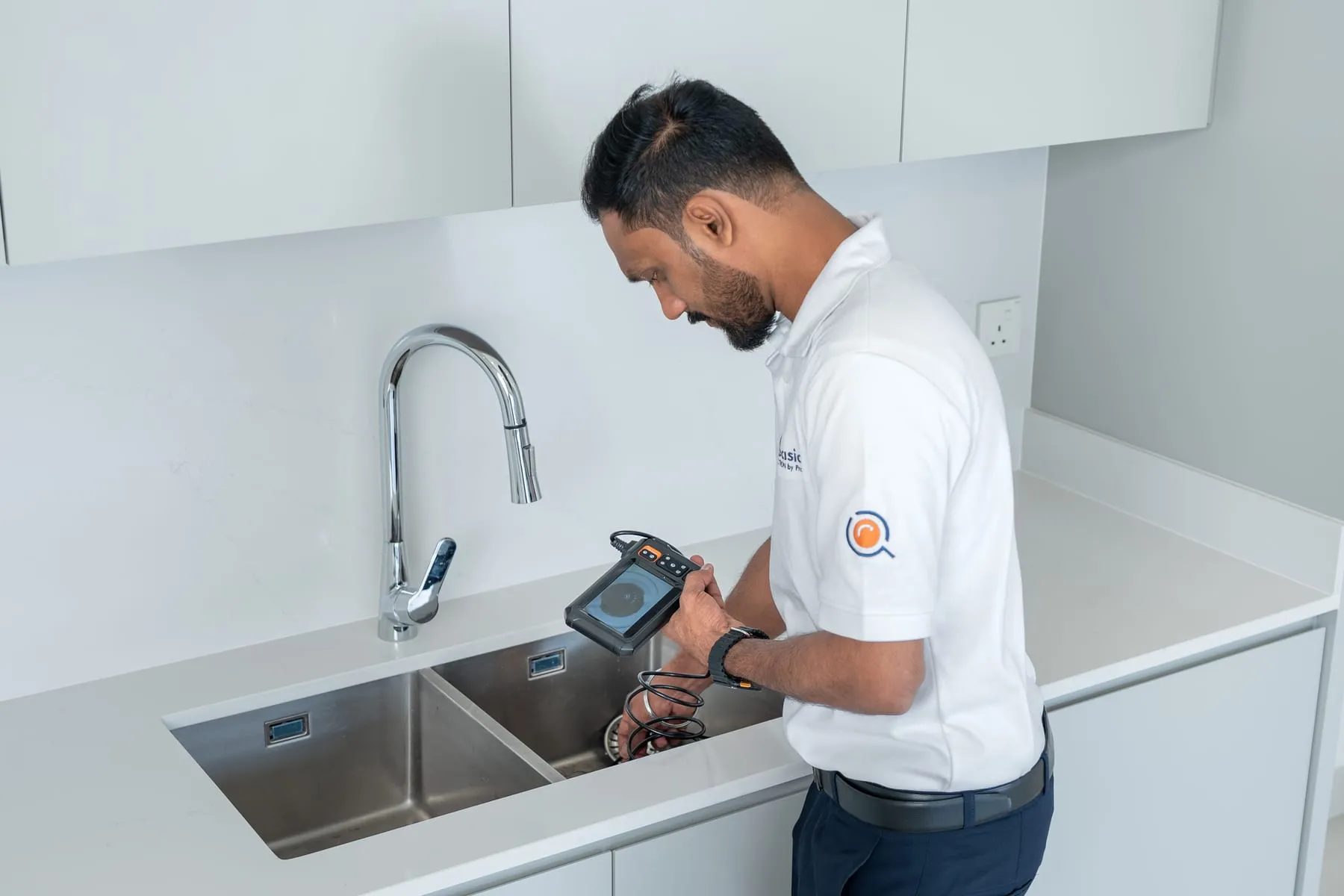
What we inspect.
A technical review of the details that matter, with every observation recorded clearly.
★ 4.9 Google | RERA & DLD accredited | 30-min response
Electrical hotspots
Unusual heat patterns at accessible electrical installations.
Insulation voids & air leaks
Temperature differences that suggest insulation or air gaps.
Moisture & water ingress
Patterns that may indicate hidden leaks or retained moisture.
HVAC & duct leakage
Cooling distribution and thermal anomalies around ductwork.
Building envelope
Thermal performance of accessible walls, windows and façades.

Who it's for?
- Owners investigating unexplained moisture or cooling concerns.
- Buyers who want hidden anomalies assessed without opening walls.
- Facilities managers reviewing the building envelope and systems.

What you receive.
A report that makes the next conversation clearer, with each issue explained and located.
- Digital engineering report
- HD photos & videos
- Technical references
- Defect list for developer rectification
A clear path from inspection to action.
01
Infrared scan
Capture high-resolution infrared images of the accessible inspection areas.
02
Anomaly analysis
Identify temperature patterns that differ from the surrounding conditions.
03
Technical verification
Check the observed anomalies against reference images and on-site evidence.
04
Report & recommendations
Receive paired thermal and visible images, findings and recommendations.
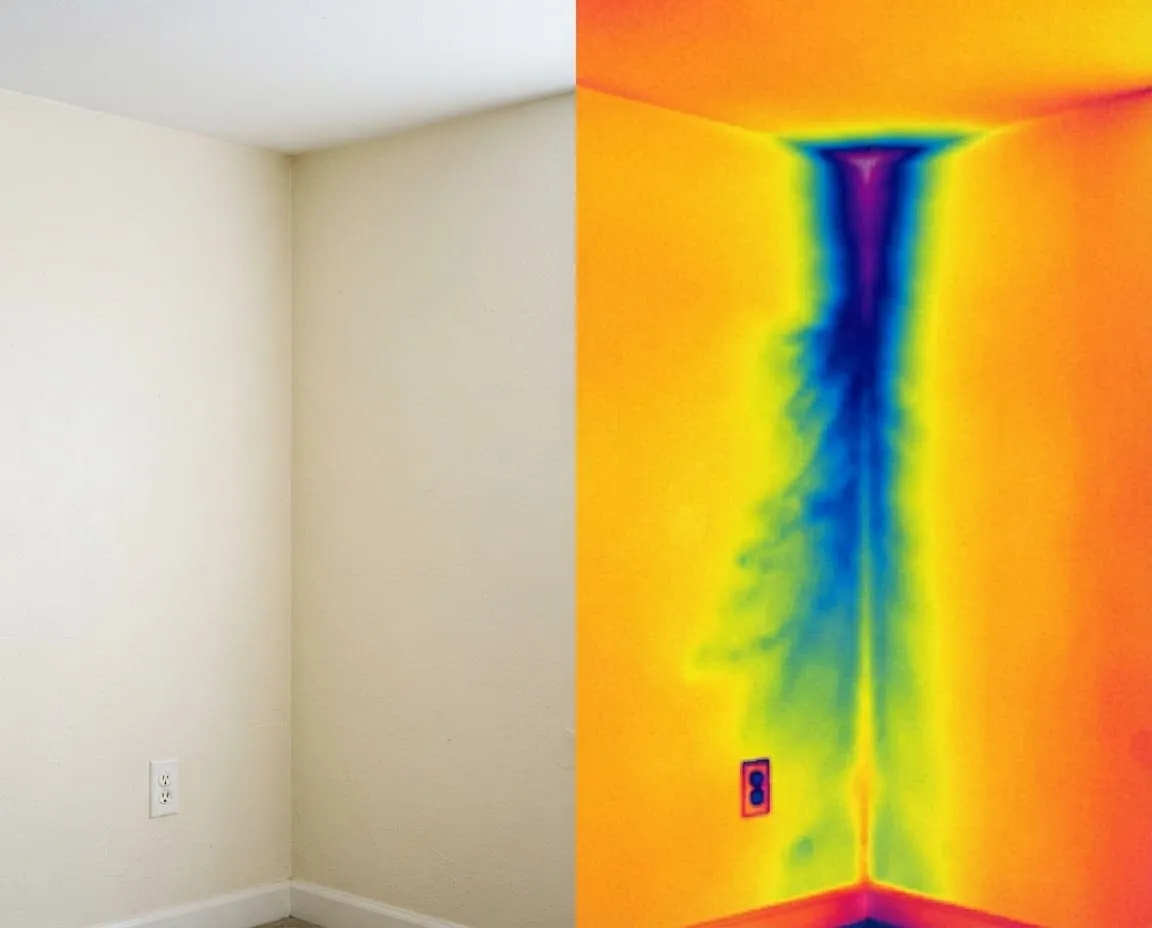
Same wall. A different picture.
A normal photograph can look reassuring. Infrared imaging reveals temperature patterns that help engineers investigate hidden moisture.
- Aligned normal and thermal images
- Technical verification, not guesswork
- Findings and recommendations in your report
A few questions, answered.
Prefer to talk it through? Our engineers can help you choose the right next step.
What is a thermographic inspection?
A thermographic inspection uses a thermal camera to show temperature differences across surfaces. Precision Inspection uses these readings to help identify issues that may not be visible during a standard inspection.
What can a thermographic inspection detect?
It can highlight signs of moisture, insulation gaps, air-conditioning leaks and unusual heat around electrical components. Further checks may be needed to confirm the cause.
When should I book a thermographic inspection?
Contact Precision Inspection if you notice recurring dampness, uneven cooling or unexplained hot spots. Thermal imaging can also support an inspection before buying a property or accepting handover.
Can thermal cameras see through walls?
No. Thermal cameras measure surface temperatures. Inspectors assess patterns that may suggest an issue behind a surface.
Will the inspection damage my property?
No. Thermal imaging is non-invasive and does not require drilling or removing finishes.
Do utilities need to be connected?
Electricity should be connected, and relevant systems should be operating so temperature patterns can be assessed. Precision Inspection will confirm preparation requirements before the visit.
What does the report include?
The report includes thermal images, explanations of unusual temperature patterns and recommendations for further checks or repairs.
Still have a question?
If you didn't find an answer, feel free to reach out.
The right inspection for every stage.
 Learn more
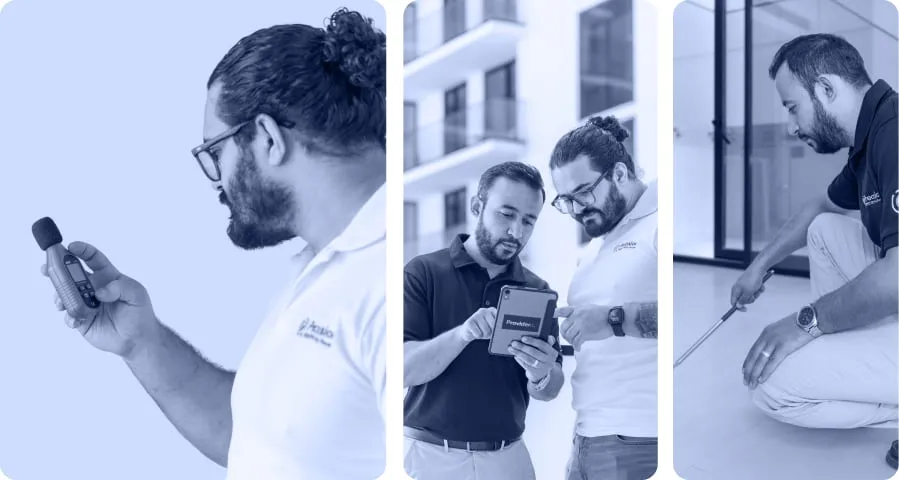
New Handover Snagging
A 200+ point engineering audit of your new home, with a developer-ready report in 24 hours.
 Learn more
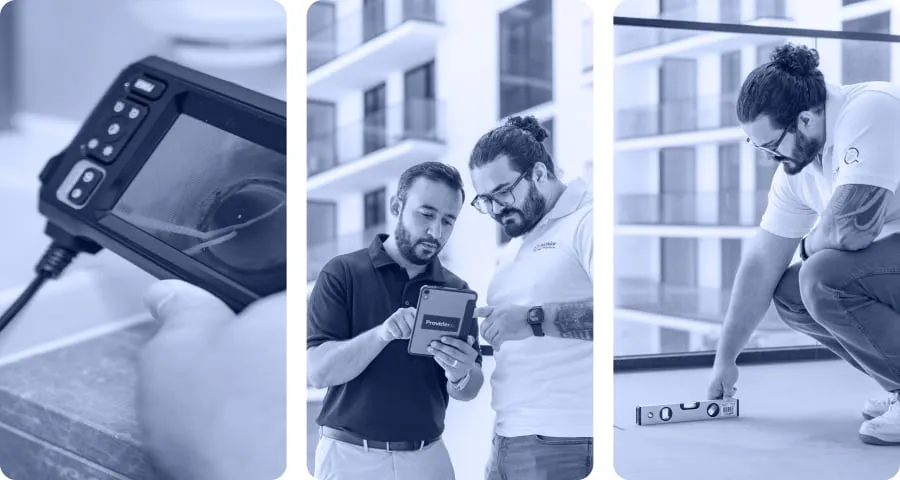
Property Resale Inspection
An engineering-led review of a ready property, giving you the evidence to make an informed purchase.
 Learn more
Home Orientation & Handover
A guided handover and a practical walkthrough of your home’s systems, documents and outstanding defects.

Book your inspection.
Tell us about your property. An engineer will help you confirm the right inspection and a suitable time.